
At the moment, the Internet of Things has some communications issues.
Unless you shop carefully, you might end up with a smart garage door opener that can’t converse with your security camera, or a smart door lock that won’t talk to your alarm system. The set of connected light bulbs in your hallway might not be on speaking terms with the ones in the living room, and your basement flood detector probably couldn’t get a message through to your smart TV.
Ideally, these devices would simply have a standard way to communicate, so users wouldn’t have to worry about making sure every product works together. Some companies, such as Microsoft, Qualcomm, Samsung, and Intel, are now trying to figure out how to make that happen.
Even so, the ambitious goal of a common Internet of Things language is starting to seem like a Tower of Babel. Over the last year, tech titans like Apple, Google, and Amazon have built up their own ways of connecting to vast numbers of smart home products, and these companies have shown little interest in standardization. As these platforms gain traction, is it too late for a unified language to take hold?
Waves And Words
The notion of interoperability in IoT devices typically refers to one of two different issues, which can sometimes get conflated.
First, there’s the networking layer, which determines how devices connect to one another through the airwaves. Some devices use well-established standards such Wi-Fi and Bluetooth, while a power-efficient alternative called 802.15.4 forms the basis of other protocols such as ZigBee and Thread. Each method has strengths and limitations, but because each requires a separate radio, it’s rare to see a single smart home product supporting more than one or two protocols.
Although the networking layer is a conundrum in itself, it already has a partial solution in “hub” or “bridge” devices, which act as switchboards for products that use different networking protocols. Philips Hue lightbulbs, for instance, use the ZigBee protocol to connect with a bridge device, which then connects to Wi-Fi for control by smartphone or tablet. We’re even starting to see bridge-like features built into wireless routers, such as Google’s OnHub.
The knottier problem with IoT has to do with the application layer, which is essentially the language devices use to accomplish specific tasks. If a thermostat and motion detector can talk to each other, for instance, they can figure out how to turn down the temperature when no one’s home. Likewise, a device with voice recognition could control other devices around the house provided they understand one another.
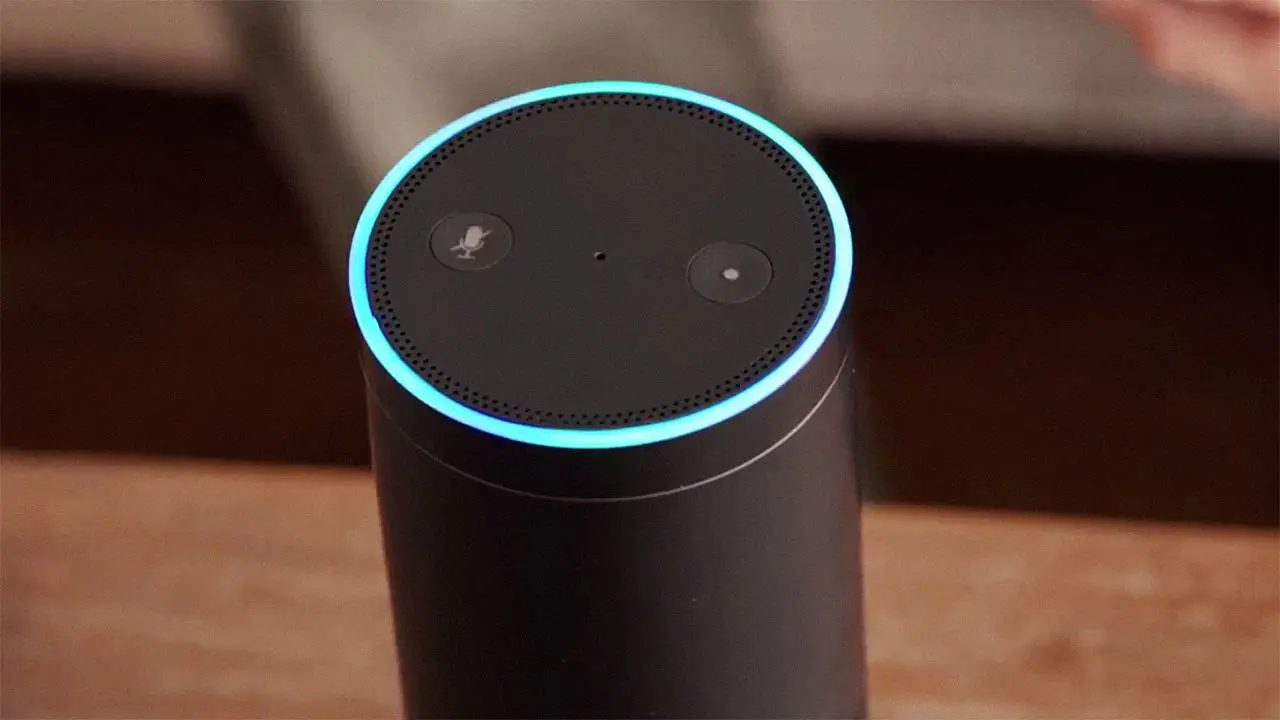
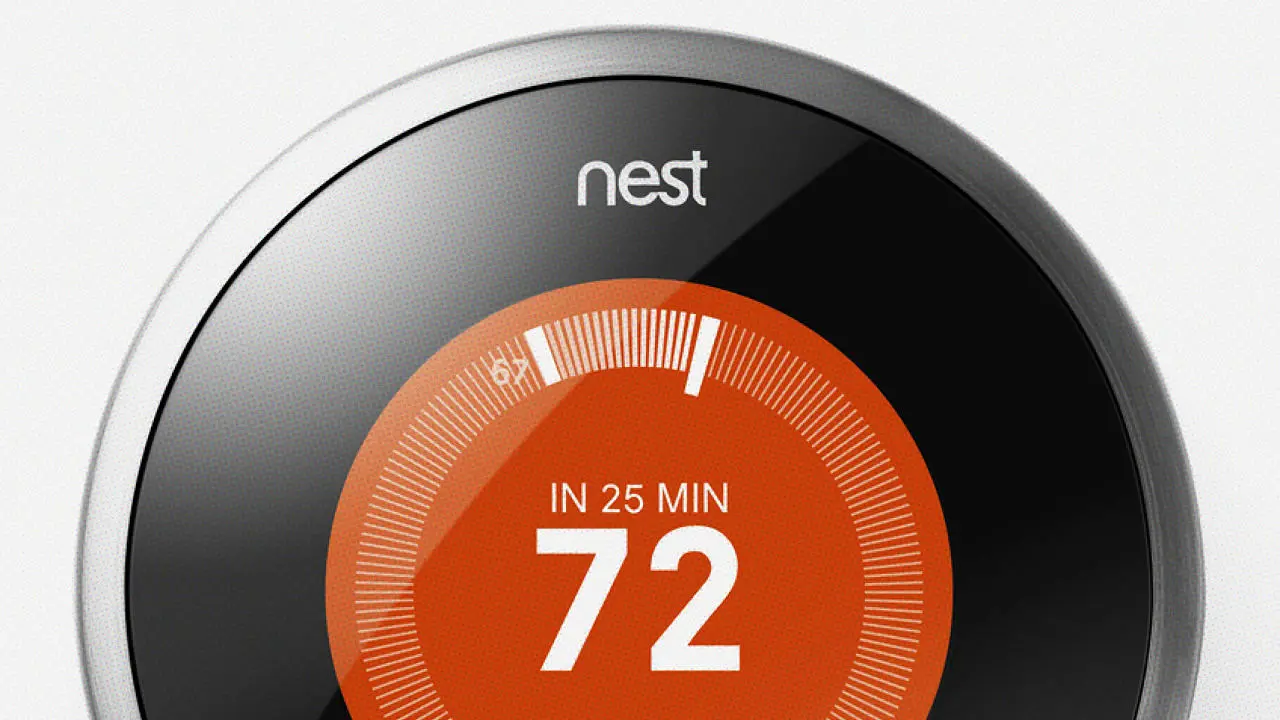
So far, the tech industry has decided the best way to handle this is to create their own application layers. Apple has HomeKit for controlling certified smart home products with Siri, while Amazon has its own Alexa virtual assistant built into the Echo speaker and Fire TV set-top box. Nest—owned by Google parent company Alphabet–has created a system that automates certain actions across different devices. (One example: Nest’s thermostat can turn off a furnace when its smoke detector senses trouble.) Google itself is building its own language, called Weave, and Samsung has a system called SmartThings that it acquired in 2014.
For device makers, the sheer number of languages on offer poses a dilemma: Which ones do you support when building a new product?
“You may not have the resources to do everything, and you may not have the capacity, the bandwidth, the processing power to do everything in an individual product, so you have to make selections,” says Tom Kerber, an analyst with Parks Associates. “Limiting those choices to the critical few is important.”
Meanwhile, consumers are left to untangle a spider web of product integrations. Samsung SmartThings devices, for instance, are controllable through Amazon’s Alexa system, but not through Siri. August smart locks are controllable through Siri, but not through Alexa. Philips Hue lightbulbs have some neat integrations with Nest, but Cree lightbulbs don’t. Wouldn’t it be nice if you didn’t have to think about all this stuff?
Enter The Standard
Before Apple and Amazon even created their smart home systems, other industry players anticipated the problem and started working on standard ways for connected devices to communicate. The idea is that a device like Nest shouldn’t have to distinguish between Philips Hue and Cree lightbulbs. Instead, it would just recognize lightbulbs in general and offer similar capabilities to all of them.
Still, not everyone agrees on how to move forward, and over the last couple years, two major competing standards groups have emerged: the AllSeen Alliance, with Qualcomm, Microsoft, LG, and Sony among its key backers, and the Open Interconnect Consortium, whose backers include Intel and Samsung. So far, neither group has produced much of an ecosystem on its own.
“Right now, the fact that they’re fighting each other…they’re splitting the apple,” Kerber says.
Some signs of progress did emerge last month, when AllSeen members Microsoft, Qualcomm, and Electrolux joined the Open Interconnect Consortium, now renamed the Open Connectivity Foundation (or OCF). But Kerber notes that it’s not a complete merger. AllSeen remains an independent entity with its own framework, called AllJoyn, though the hope is that both systems will interoperate.
Matt Perry, a Microsoft program manager who works on the Internet of Things, stresses the need for patience as the two groups resolve their differences. While quibbles over bylaws, structure, and intellectual property still need to be worked out, Perry notes that Microsoft and Qualcomm are the two biggest contributors by far to the base code of AllSeen’s AllJoyn framework.
“We believe the announcement…was a great first step, and we’re actively working towards our end goal here, which is one standard supported by the largest amount of companies possible,” Perry says.

Too Early, Or Too Late?
Even if AllSeen and Open Connectivity Foundation come together, they still have a mountain of work in front of them. There’s the technical challenge of figuring out how interoperability should work, and how to market those benefits to consumers, so they know what they’re getting and which products it’ll work with. (Perry won’t say with certainty, for instance, that the Open Connectivity Foundation will have some sort of consumer-facing label.) Once all that is settled, device makers must create the types of flagship products that get people to invest in the ecosystem, on par with hits like the Nest Thermostat and Amazon Echo.
There’s also the more fundamental question of whether a standard amounts to much if doesn’t have the support of tech titans like Apple, Google, and Amazon. So far, those companies haven’t shown much interest in either OCF or AllSeen.
“Hey, we would love for them to join our efforts in creating one open standard. Our phones are open,” Perry says. “We’re driving for what’s best for customers, and whether it be Nest or these other products, it’s going to be great if all of these products work together.”
In the meantime, OCF executive director Mike Richmond takes the view that this is a long game, using the increasingly familiar analogy that today’s Internet of Things is like the Internet of the early 1990s: Back then, walled-garden portals like America Online and Prodigy were the norm, until people discovered what they were missing on the open web.
“The Internet of web pages completely changed that whole dynamic, because open usually wins in the long run, and I don’t see any reason why the Internet of Things shouldn’t have a similar dynamic for exactly the same reason,” he says.
It’s a fair point, but one that only holds true if the products and services that emerge from an open standard are better than the proprietary systems that exist now. How that actually happens is kind of hard to envision.
For that reason, the mere existence of an open Internet of Things standard is on some level a leap of faith, says Macario Namie, vice president of Strategy for Jasper, a company that helps bring cellular connectivity to IoT products. The plan is to build the framework, and hope the interesting use cases follow.
“If everybody believed that they could build on one single vendor’s platform, it would be done already,” Namie says. “They wouldn’t be talking about it, right? So I think there’s still a lot more room for innovation here.”
Recognize your company's culture of innovation by applying to this year's Best Workplaces for Innovators Awards before the extended deadline, April 12.